Every Tuesday, the Sounding Board is a space for a short-ish review of a recent-ish release and conversations about new-to-you music. I’ll get things started with a write-up about a newer, likely under-heard album, and invite you to share your music musings in the comments. I’m taking a break from the typical format for a year-end recap.
If there’s anything that’s better than being right, it’s being correct and appearing prescient in a public forum.
Back in July, I wrote that 2025 was a good-not-great year for music, but that pending albums could easily elevate it to something more memorable. I tapped albums by Sprints, Wednesday, Clipse, Wet Leg, Wolf Alice, Shame, CMAT, the Beths, the Hives and a few others as contenders to improve the standing of their contemporaneous cohort. That, plus rapturously received albums from Geese and Rosalía,1 did exactly that.
Did the boomtimes extend to this column’s oddball realm? Read through the ranking of every album reviewed in this space and find out.2
51. (↓25) The Amazons- 21st Century Fiction3
What I wrote: That synchronization between form and lyrical motif is a nice touch and speaks to an admirable level of thought and intentionality that went into the making of 21st Century Fiction. It’s an album that’s both professionally made and conceptually cogent. If that sounds like faint praise, it sure is. That’s more or less what 21st Century Fiction deserves. It’s not the worst thing ever. It takes aim at a specific sound, which took some degree of ambition, but it’s tough to hype up an LP that sounds like Imagine Dragons covering the perfectly cromulent blues-rock supergroup the Dead Weather.
50. (↓34) The Pains of Being Pure at Heart- Perfect Right Now: A Slumberland Collection 2008-20104
What I wrote: Perfect Right Now combines b-sides from 7-inch singles that accompanied the Pains of Being Pure At Heart’s self-titled debut, tracks from the Higher Than The Stars EP and 2010 single, “Say No To Love,” into a supremely enjoyable 10-song package. A decade and a half of distance has done nothing to dull the charms of these early the Pains of Being Pure At Heart songs. They remain incredibly tight tunes to sway your upper torso to in the vein of classic twee bands like the Field Mice, Belle and Sebastian, Talulah Gosh, the Vaselines, and all the others who helped inspire Nirvana’s softer side.
49. (↓34) Say Sue Me- Time is Not Yours
What I wrote: On Say Sue Me’s new five-song EP, the Busan-based dream poppers hone in on an element of tuneful, shoegaze noise that’s long been at least a minor presence on their past efforts and make it the EP’s defining quality. It’s a helluva way for the band to clear its throat after not releasing anything more substantial than a single since 2022’s deeply enjoyable The Last Thing Left.
48. (↓24) Ringo Starr- Look Up
What I wrote: Ringo Starr’s Look Up is a much better idea than an album.
That’s mostly because it’s such a stellar concept on paper: Take the Beatle most enamored of Country and Western music, team him up with some of the most virtuosic artists making roots music (plus a legendary producer) and give the then-84-year-old a chance to record his late-life musings. It’s a wonderful table setting that could have served up a revelatory and profound career capstone like the end-of-the-road albums from Leonard Cohen, Johnny Cash and David Bowie. Alas, the near bottomless reservoirs of money and cachet available to the legend didn’t produce his own Black Starr. Instead, they were used to create something like a sequel to Beaucoup of Blues. But that’s still a pretty fun album.
47. (↓24) FACS- Wish Defense
What I wrote: The latest LP from Chicago art-rockers, FACS,1 was the last album that the late, great and complicated Steve Albini engineered before his abrupt death in May 2024 at the age of 61. Albini spent two days in early May working on the album with the veteran three-piece band, and Sanford Parker, a Chicago-based musician and producer, consulted Albini’s notes while finishing recording of the album with the trio. Curious listeners who check out Wish Defense because of its unasked-for and unexpected distinction will find a lot to like in the album. FACS — Noah Leger (drums), Jonathan van Herik (bass) and Brian Case (guitar/vocals) — pack a lot of winsome, moody weirdness into the album’s seven songs that make for a worthwhile and interesting listen.
46. Health – Conflict DLC
What I wrote: The veteran Los Angeles noise rockers and CapsLock aficionados, HEALTH, have tapped into a wide array of genres and subgenres to make an album that will feel familiar to anyone who has listened to heavier, louder strains of rock music over the past couple of decades. Conflict DLC features loud, chugging, pleasantly abrasive sounds that could fairly be compared to several purveyors of aggrieved tunes.
45 (↓23). Circa Waves- Death & Love, Pt. 1.
What I wrote: While a British Invasion aftershock seems incredibly unlikely in 2025, Death & Love, Pt. 1, released Jan. 31 via Lower Third Records/PIA, makes a strong case that guitar-driven pop should still cause a transatlantic buzz. On the strength of big hooks and some sounds nicked from multiple waves of cool bands from both sides of the pond, Circa Waves crafted a tight, bright LP that often successfully channels the emotional grandeur hinted at in its title.
44. Circa Waves – Death & Love, Pt. 2
What I wrote: While the two-part album is a byproduct of creative outpouring following lead singer Kieran Shudall’s brush with mortality, Circa Waves produced another batch of fizzy indie pop that sounds a bit like a lot of bands that you probably know and love. It’s likable, danceable and always inoffensive. At its absolute worst, Love & Death, Pt. 2 is slightly saccharine or a smidge goofy. At its best, these songs deftly repurpose the qualities of past decades to exorcise something personal.
43. The Chameleons – Arctic Moon
What I wrote: The band’s fifth album across nearly 45 years of history is the Chameleons’ first long-player since 2001’s Why Call it Anything? Its seven tracks make for an enjoyable, albeit inessential, listen that makes a good enough case for getting the band — including founding members Vox, the lead singer and bassist previously named Mark Burgess, as well as guitarist Reg Smithies — back together again.
42. (↓21) Mamalarky- Hex Key5
What I wrote: Hex Key was produced and engineered by singer-guitarist Livvy Bennett and keyboardist Michael B. Hunter, and Hunter also mixed the album. Keeping that much of the production in-house seems to have allowed the band to indulge some of its weirder impulses. “Take Me,” for example, is 90% the sort of striding piano-driven song that populated mid-aughts VH1, and 10% oddball whipsaw warbles and microwave auditory weirdness. The album’s title track is two minutes of swirling neo-psychedelia that skirts the edges of a bad trip. “Blush” is built around pleasantly jazzy keys that are pushed, prodded and processed until they sound like a mix between an Emerson, Lake & Palmer deep cut and a storm warning system.
41. Parcels – LOVED
What I wrote: If you’ve ever eaten cotton candy to the point of discomfort, you’ve experienced what it’s like to listen to Parcels newest album. Just like a carnival confection, LOVED, the third studio album and fifth album overall from the Australian electropop quintet, is light, airy, brazenly inorganic, tantalizingly sweet and a little bit nauseating if consumed in large quantities. That’s not meant to be entirely damning.
40. Pool Kids – Easier Said Than Done.
What I wrote: At times, the album can sound and feel like every hit song from 2005 is trying to walk through the same doorway. This is great news for the small group of people who have spent the last 20 years pining for a Flyleaf-Paramore-T-Pain collaboration. However, there’s also enough thoughtfulness and craft at work that even people with little affinity for Pool Kid’s clear influences can find things to enjoy in the album.
39. Silk Daisys – Silk Daisys
What I wrote: An early December release date means most of the spaces that catalog and critique new music have already published their lists of best debuts and buried treasures that might have brought additional ears to Silk Daisys. It’s no sure thing that Silk Daisys would crack such lists. Still, it’s not hard to envision an album that competently and lovingly recreates the sounds of Paisley Underground, jangle pop and shoegaze across 12 tight tracks, finding some champions among music critics. It’s a thoroughly enjoyable listen that oscillates between the heavier sounds of its influences and the gossamer-light textures of Silk Daisys’ more ethereal heroes.
38. Luvcat – Vicious Delicious
What I wrote: The gender-swapped Alice Cooper approach to songcraft provides the project a clear macabre direction and a hook that sets Vicious Delicious apart from the pop pack. Luvcat’s goth-tinged pin-up look, the album’s stylishly illustrated cover depicting a pair of fishnet-clad legs and a tube of scarlet lipstick protruding from a box of cigarettes, its morbid songs and a Halloween release date all work in concert to answer the question, “What if Cruella de Vil was both real and a Gen Z pop girlie?”
37. (↓12) Gumshoes- Bugs Forever6
What I wrote: As Bugs Forever‘s title suggests, there’s an entomic slant to things, and each of its dozen songs assumes the perspective of a different bug. It’s an odd, and per Gumshoes “unbearably whimsical” idea on paper, but it makes some sense. Swarms are shorthand for pestilence and doom; in life, and especially in death, a variety of bugs feed on us; and famously, cockroaches are destined to outlive humanity. So why not mix a little Jonathan Richman with Hieronymus Bosch? The end result is basically an album where every song is “Doctor Worm” by They Might Be Giants and also about the end of the world.
36. (↓16)Casey Smith Project- Just Like You Wanted It
What I wrote: Listeners drawn toward hookier, brasher songs may get a little lost in the album’s deliberate pace, but the variety of sounds Just Like You Wanted It tosses out means that it’s never boring. While the old adage about judging a book by its cover is generally true, Just Like You Wanted It‘s Maisie Kane’s album art depicting a retro gas pump and psychedelically proportioned mushrooms will put your head in the right space.
35. Picture Parlour – The Parlour
What I wrote: While its cover photo is a ’70s pastiche, The Parlour‘s sound seems straight out of 2006. If that year doesn’t immediately conjure a sound for you, think of the albums that signify the beginning of bloat for the ultra-cool rockers who found some radio success at the turn of the century. Try to conjure up some of the bands that eked out hits while coasting on more prestigious coattails, too. Remembering boundary-pushing or cutting-edge releases from that time is unnecessary for understanding what this album is going for.
34. Curtis Harding – Departures & Arrivals: Adventures of Captain Curt
What I wrote: The Atlanta-based singer-songwriter wrote and produced an aggressively likable album that sounds like a whole lot of ’70s soul, R&B, and funk giants without ever lapsing into corny pastiche. Departures & Arrivals lacks the sort of time-stopping moments to push open the dopamine floodgates that some of this year’s absolute best releases have, but it is a pleasant listen from start to finish.
33. (↓14) Sunflower Bean- Mortal Primetime
What I wrote: The trio’s fourth album is nothing more or less than 10 well-crafted conventional indie rock songs featuring exceptional instrumentation and striking vocals.1 It’s likeable front-to-back and worth working into even a recently crowded listening rotation. That’s an impressive bit of alchemy because the types of adult-oriented rock that provide the most obvious points of reference for Mortal Primetime don’t necessarily scream, “must listen.” Depending on the song, listeners can expect to encounter ultra-slick hair metal guitar, somber string accents that used to class up songs like “Iris” by the Goo Goo Dolls, the Paisley Underground’s psychedelia-lite, or what sounds like a mid-’80s Stevie Nicks song. There’s also a full-fledged shoegaze track that brings the album to a somnolent close, but its glorious anxiety-obliviating buzz is a one-off.
32. (↓14) Yaya Bey- Do It Afraid
What I wrote: On the latest LP from the Queens singer-songwriter-rapper, her voice is warm, musical and immediate whether she’s singing or weaving her way through impressive double time. It’s rapping at the volume of a murmur but enunciated clearly enough for bilabial pops and alveolar clicks to sound off in your headphones. It’s both technically impressive and a great delivery method for Yaya Bey’s lyrics, which are emotive, thoughtful and clever whether they’re expressing rage, disappointment or desire; whether they’re focused inward or lost in big-picture thought.
31. (↓14) Tune-Yards- Better Dreaming
What I wrote: Tune-Yards have become increasingly in touch with humanity and their fit within its teeming, unruly collective over the better part of two decades. Socially conscious concepts further permeated Tune-Yards’ body of work, which includes a dance album that spends much of its runtime grappling with identity and reconciling Garbus’ personal politics with the success she’s found as a white woman making music deeply indebted to artists of color. It’s not just perspective that’s expanded for Tune-Yards. By album No. 2, a project that started as an aggressively lo-fi Garbus solo effort grew to formally include bassist Nate Brenner. Garbus and Brenner have forged a partnership in music and life. Their young child can be heard on several songs on Better Dreaming, Tune-Yards’ fine sixth album. It’s just one of the ways the Oakland duo’s extensive history and progressive growth are on display.
30. Cory Hanson – I Love People
What I Wrote: There’s definitely a market for Harry Nilsson-meets-Jason Isbell, but it’s not a particularly big one. However, Hanson’s fourth solo album easily extends his streak of quality releases. The LP is heavy-lidded and a smidge maudlin, but it’s undeniably pretty and consistently lyrically interesting
29. (↓15) Delights- If Heaven Looks a Little Like This
What I wrote: Every song on If Heaven Looks a Little Like This dares listeners to swim Scrooge McDuck-style through an embarrassment of ebullient ear candy or else drown beneath its stockpile of slick sounds. Generally, these are borrowed baubles that owe something to a bygone era of indie rock. Huge harmonies, just-so jangle, a willingness to build around a catchy synth line, dance-y polyrhythms and Adam Maxwell’s emotive lead vocals all echo past Manchester music glories as well as dance rock’s mid-aughts glory days.1 While these influences are readily apparent, Delights avoid falling into the tacky, hacky pitfall that snagged the likes of The Dare or Greta Van Fleet. That’s because the band is canny, confident and competent enough to mix-and-match elements from its predecessors and make something distinct with them.
28. Bar Italia – Some Like it Hot
What I wrote: The album is mostly just a slightly more polished take on the cool guitar pop bar italia had already been making. Songs sound crisp, intended hooks are obvious, and voices are now more likely to harmonize than take turns singing. It’s a style that immediately brings to mind a raft of bands who released killer singles and fun albums in the tumultuous half-decade or so that followed the national nightmare that was Y2K
27. Militarie Gun – God Save the Gun
What I wrote: God Save the Gun seems to express every emotion with extreme candor, because it is, for all intents and purposes, an emo album. And it’s one with hammy Panic! At the Disco-type impulses, not kind of cool Jawbreaker misanthropy… It is often fun and occasionally musically bracing, but its defining feature is a deep vein of self-excoriating melodrama that used to be paired with a flat iron and eyeliner.
26. (↓14) Prism Shores- Out from Underneath
What I wrote: Prism Shores’ second album is 32 punchy minutes of tunes that sound like they were unearthed from some left-of-the-dial campus station’s vault after lying dormant for the past 35 years. Every charm associated with a strain of late ’80s college rock is present on Out From Underneath. Tasteful, gentle reverb is omnipresent, guitars alternate from IRS-era REM jangle to Kevin Shieldsian serrated swoon and a couple of songs boast guy-girl duet vocals to great effect.
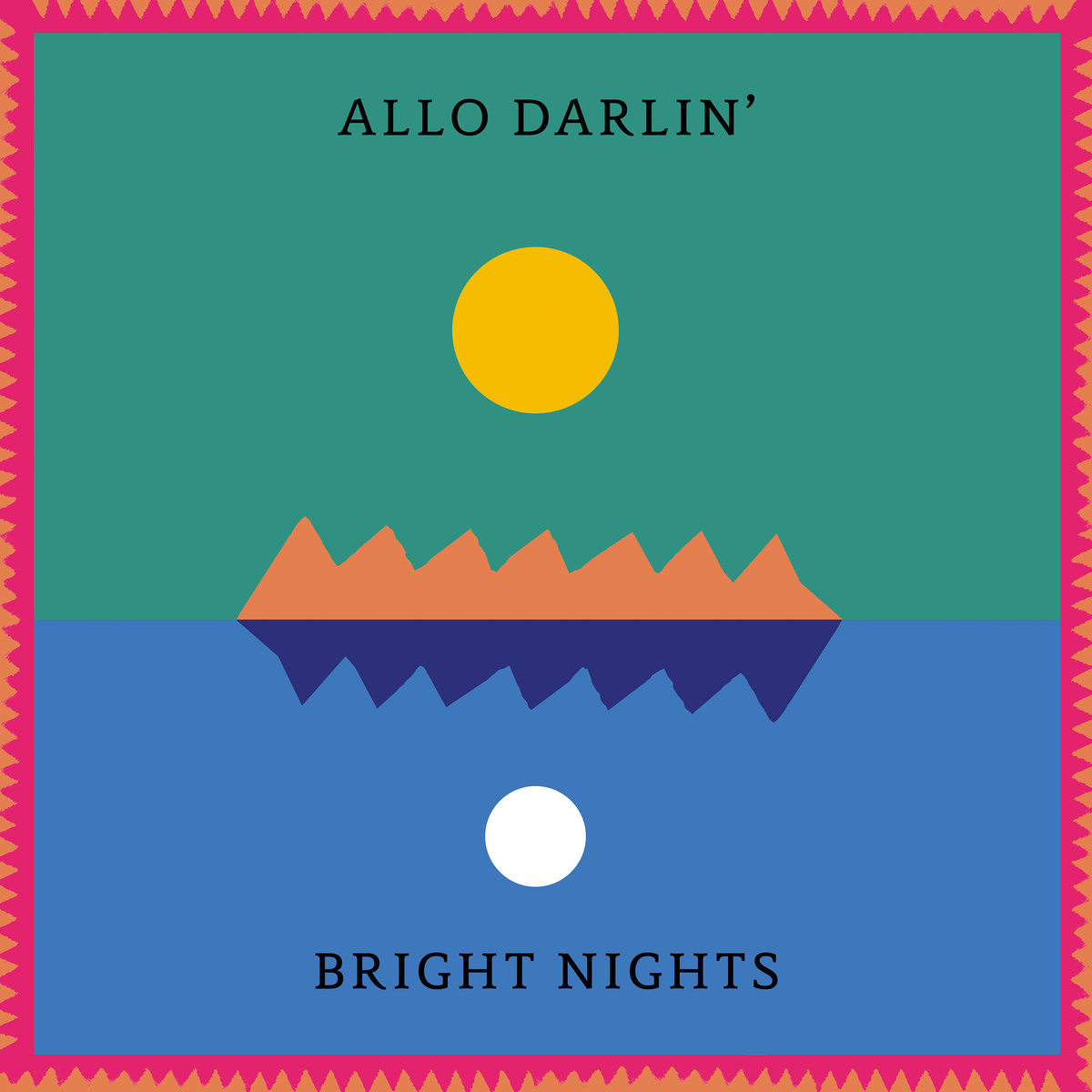
25. Allo Darlin’- Bright Nights
What I wrote: While much is the same for Allo Darlin’, there are, of course, signs of change and growth. Bright Nights leans away from the chiming sounds of some of the band’s past records and into folksy sounds that have long been an undercurrent in their work. The grounded, twangy sound is paired with big-picture concerns that border on existential. While the twee impulses that colored the band’s early releases aren’t totally extinguished — multiple songs include lyrical references to fireflies, for example — the album has life, enduring love, looming mortality and what it all means are on its mind.
24. Earl Sweatshirt – Live Laugh Love
What I wrote: It’s heartening to hear the guy, who over a decade ago made the desultory anthem that is “Chum,” rap about indomitability and inner strength; his kids and marriage as comforts; and ringing earfuls of love. Still, Live Laugh Love is at its core an Earl Sweatshirt album, and that means it’s a lot less cuddly and a lot more complicated than its title and rosier outlook would imply. Dense rhymes littered with allusions and sports references set to soul samples and doled out with a heaping helping of kaleidoscopic weirdness are the album’s overwhelmingly dominant sounds.
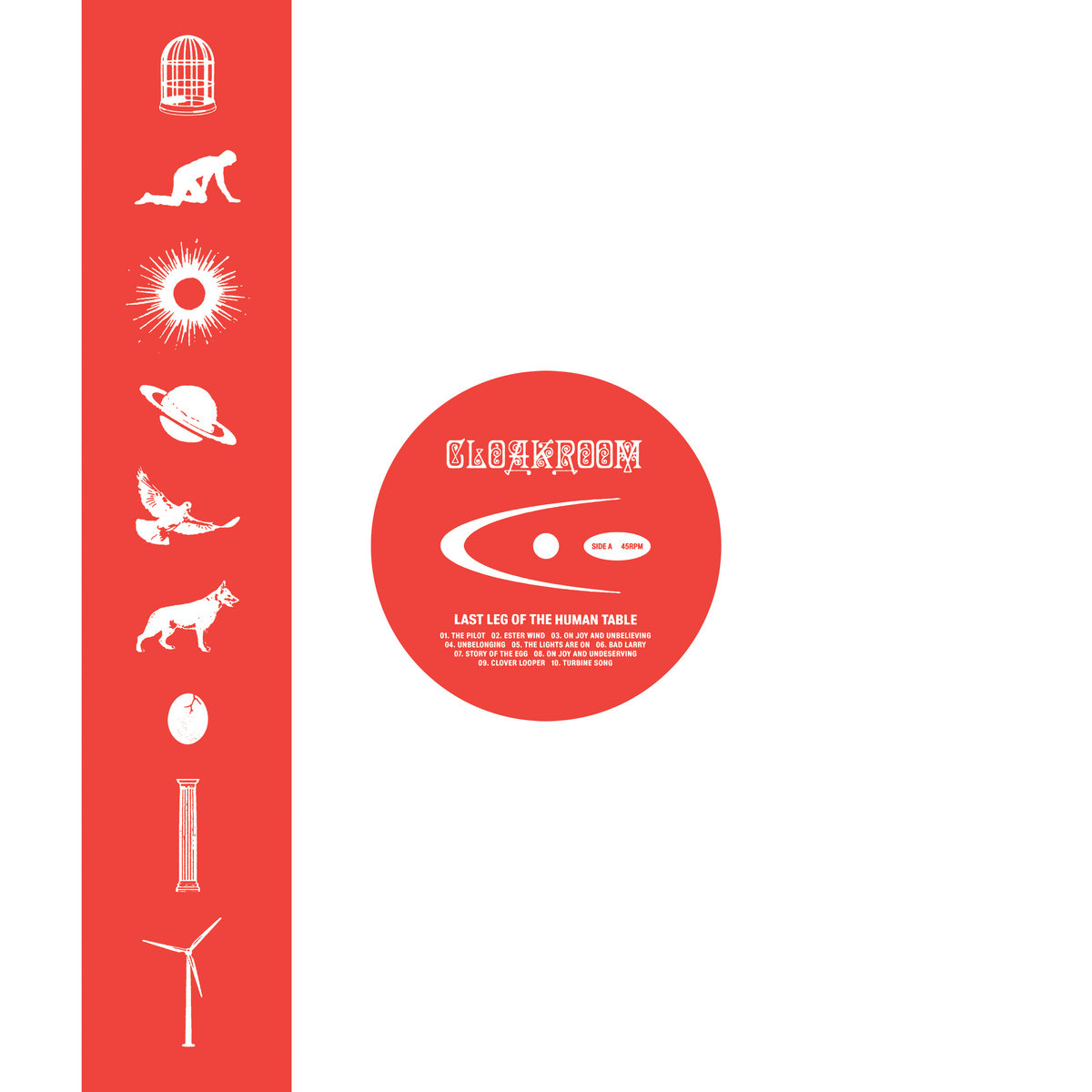
23. (↓11) Cloakroom- Last Leg of the Human Table
What I wrote: Last Leg of the Human Table‘s combination of melodious guitar squall and sing-song, sometimes lightly autotuned, vocals are too interesting to be mere background noise. Still, the warm drone of its Weezer-meets-Galaxie 500 sound has a comfortable, nearly narcotic feeling that can make it the equivalent of an auditory weighted blanket.2 It’s cozy, and the world is better for its existence, but it takes a smidge of mindfulness to remain fully aware and appreciative of its heaviness. And there is plenty of heavy guitar sound to go around.

22. (↓11) U.S. Girls- Scratch It
What I wrote: Scratch It is a considerable departure from the out-there pop of past U.S. Girls releases. Instead, the album sounds like a minor, slightly cloudy gem cut in a bygone era when complicated emotions and steel twang were a sign of serious songwriting chops and could even net a radio hit. It’s an earthy, organic and Americana-tinged album that feels lived in and fully fleshed out thanks to a cohesive soundscape seemingly on loan from Laurel Canyon and impressive songwriting.
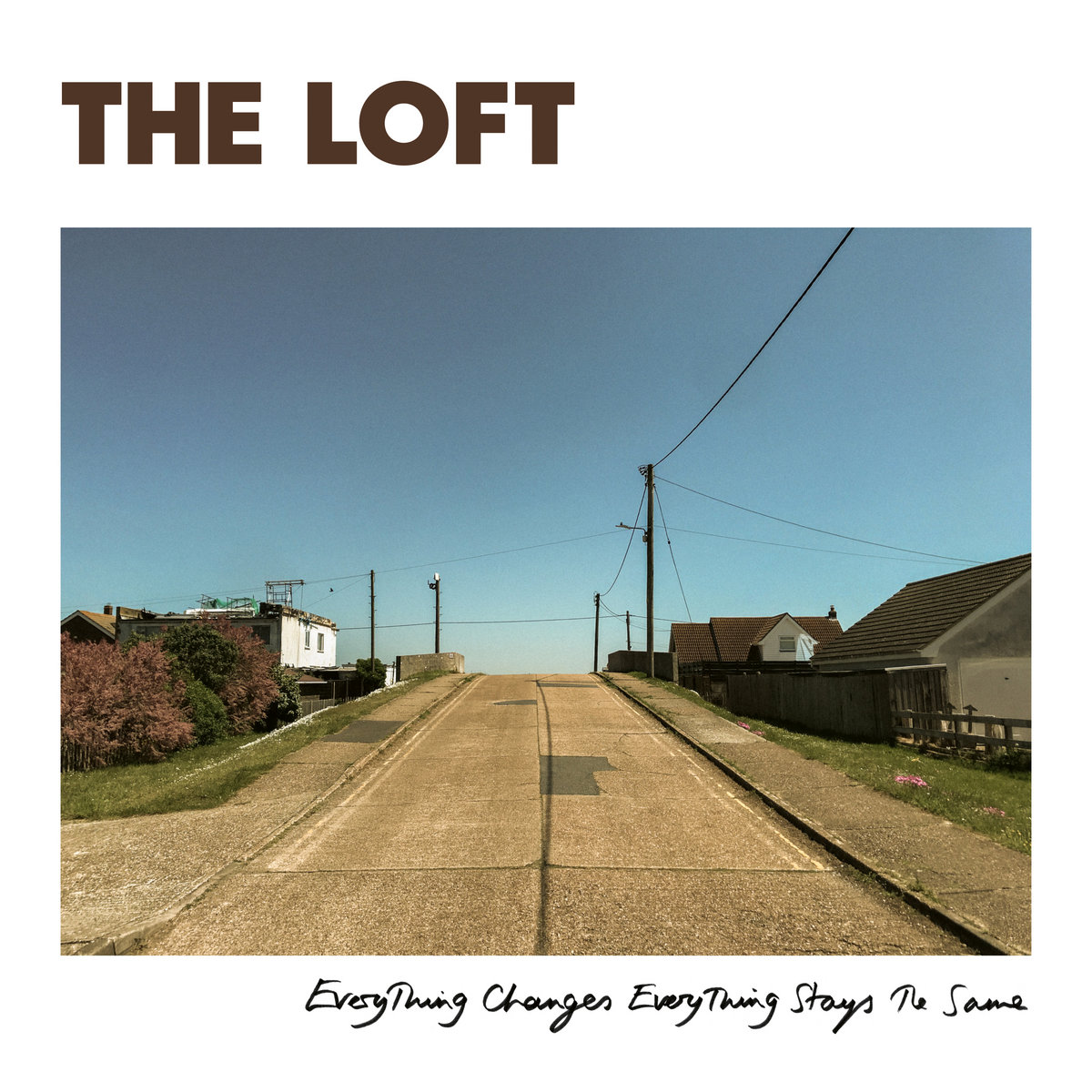
21. (↓11) The Loft – Everything Changes Everything Stays the Same
What I wrote: Everything Changes Everything Stays the Same consists of 10 timeless guitar-driven pop songs that would make for a helluva debut LP in any year. They would have sounded great in 1985, and they sound improbably fresh approximately four decades later. That’s partially due to melodies that feel instantly comfortable without being contrived. There’s plenty of songs about getting wasted and wasting time, but none of them combine bleakly observational lyrics, bright lead guitar, and a catchy chorus quite like the de facto title track “Ten Years.” Its lyrics about squandered decades also carry extra weight with the knowledge that Peter Astor could be singing from credible experience.
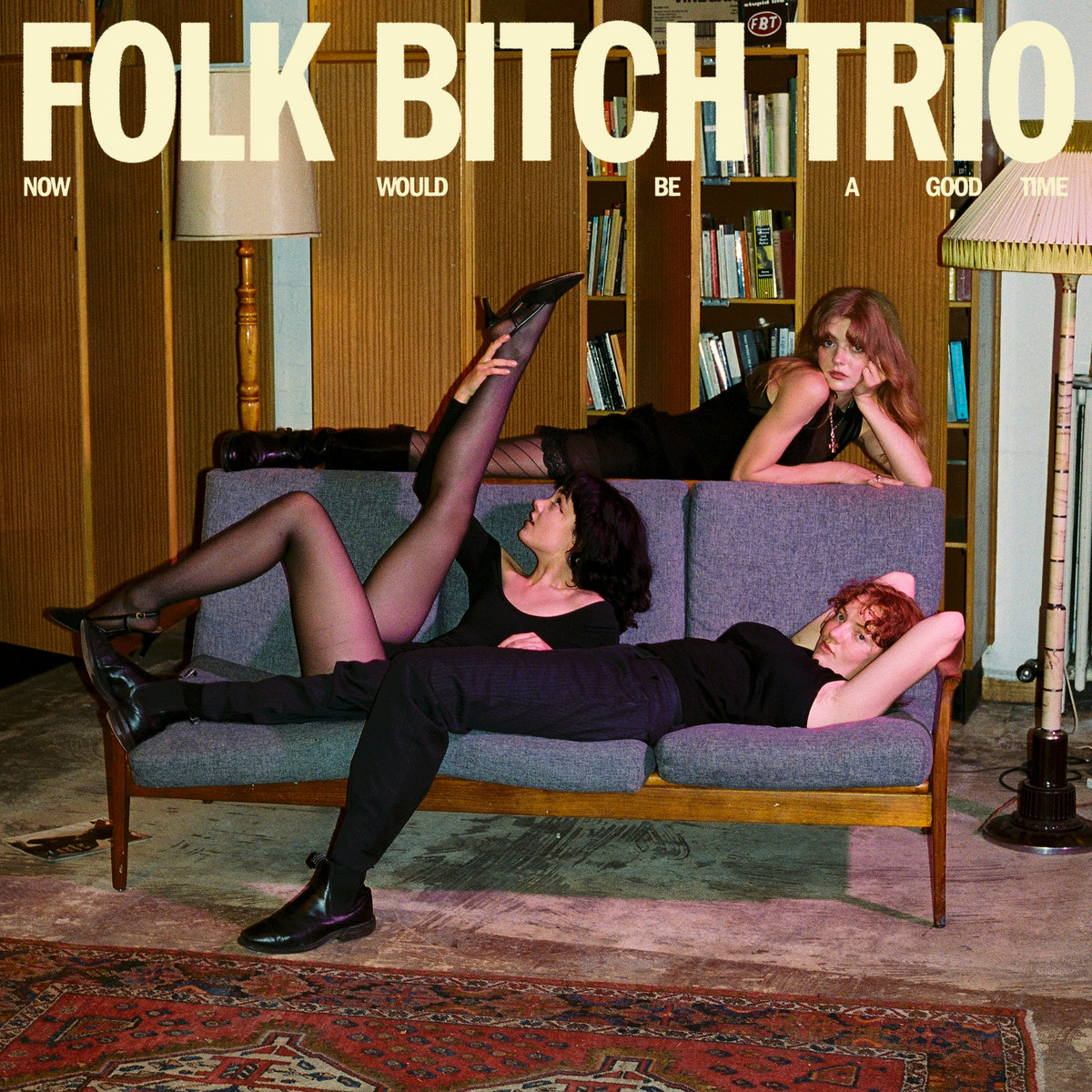
20. Folk Bitch Trio – Now Would Be a Good Time
What I wrote: Now Would Be a Good Time is a weeping wound of an album wrapped in fine gauze held together by a cartoon character Band-Aid. It’s a striking blend of hurt, healing, resolve, delicate cover, crassness and overt goofiness. That mix makes the album’s strongest songs absolutely beguiling and ensures the LP remains interesting even when flagging energy can make it feel a bit bloodless.
19. NewDad – Altar
What I wrote: The Irish trio’s new LP is a slightly muted, barely sleeker take on the sound established by their debut album, Madra. It’s frontloaded with dark tones, sticky melodies and scratchy textures that recall all manner of hummable gloom that used to reside to the left of the dial without being totally beholden to any particular forebear. It’s an enjoyable album that knows how to wring pleasure out of a fairly dour aural color palette.
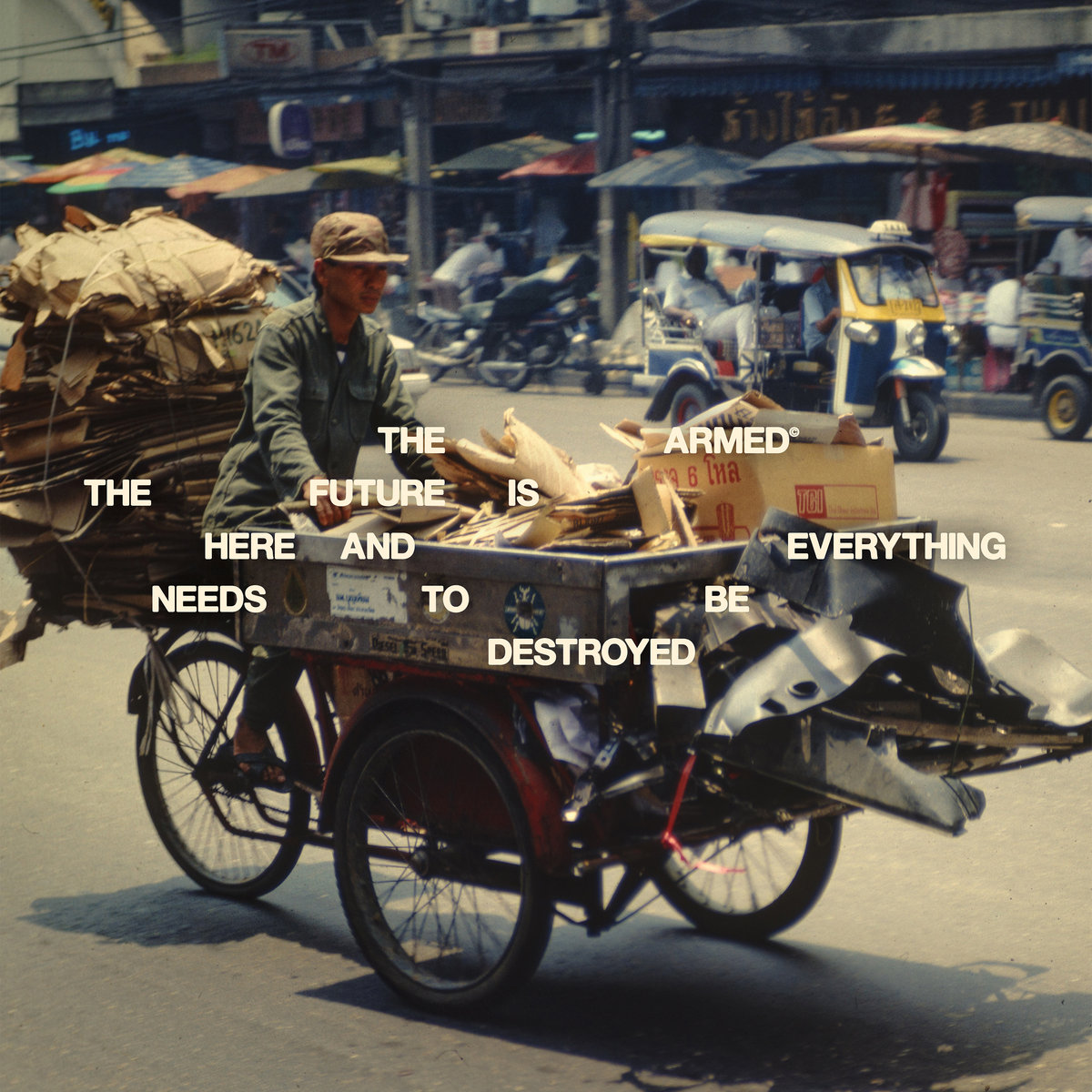
18. The Armed – The Future is Here and Everything Needs to Be Destroyed
What I wrote: The Future is Here‘s connective tissue is weltschmerz, a German word for the feeling that accompanies the realization that the real world will always fall short of idyllic expectations. It literally translates to “world pain,” and is often described as a weary, melancholy feeling. The Armed take a more high-energy approach and choose to express it via incandescent, burn-it-all-down-and-do-better-next-time rage that befits the album’s title. That makes for a listen that’s turbulent, cathartic and grim, particularly when lyrics are both comprehensible and audible over the din.
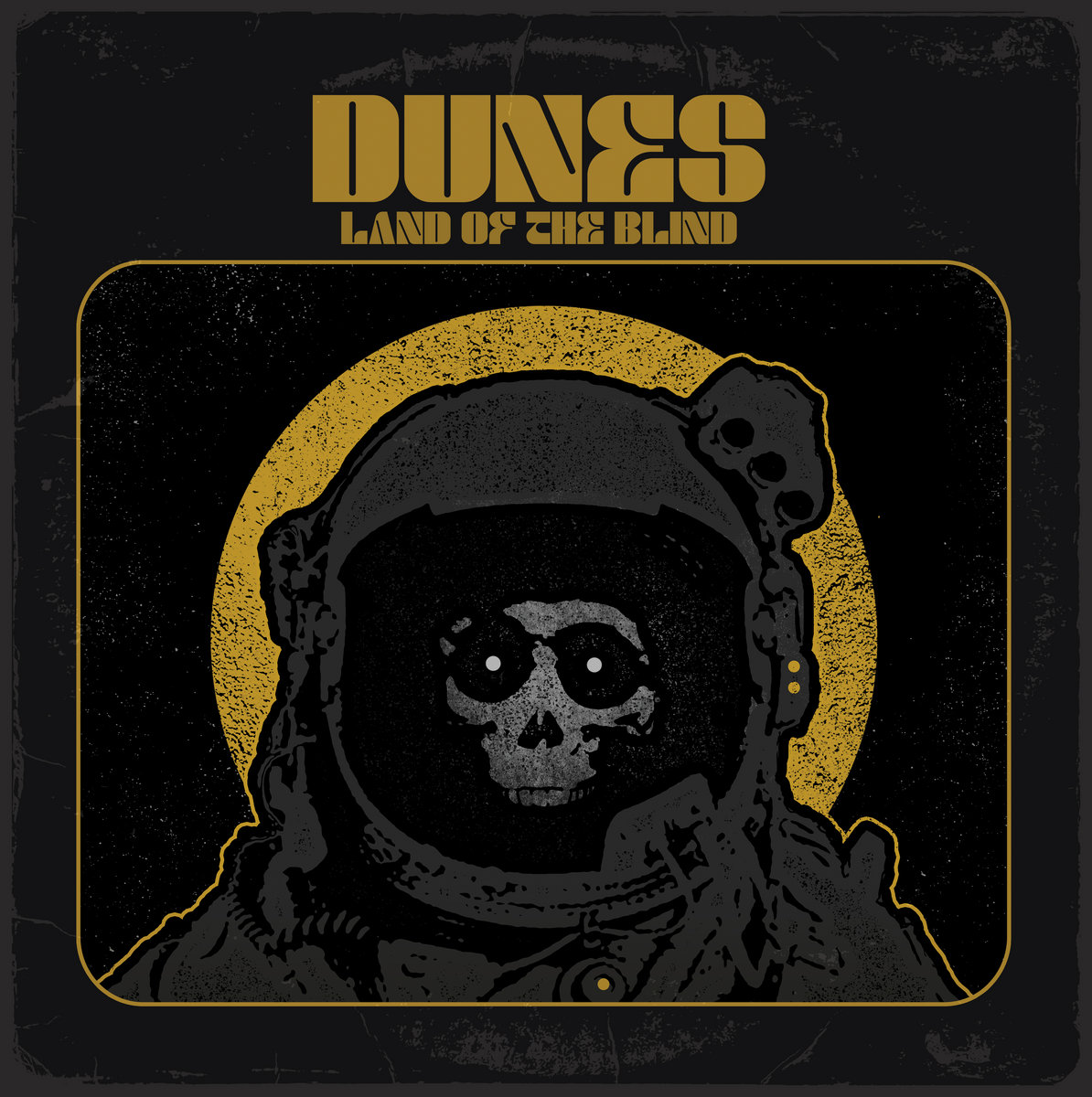
17. (↓8) Dunes – Land of the Blind
What I wrote: Dunes traffics in the sort of unapologetically hard-nosed alternative rock that ruled shit-kicking corners of the airwaves during the 20th century’s death rattle. Think back to when a song like “Would?” by Alice in Chains, “Dead and Bloated” by Stone Temple Pilots or “Slaves & Bulldozers” by Soundgarden could get occasional radio play, or even become outright hits. Then, sprinkle in a bit of Kyuss-style stoner-rock stomp. Imagine what that combination sounds like. The desert sand-blasted kaiju rumble you just conjured in your mind’s ears is pretty much the sound that Dunes are going for, and their latest album, Land of the Blind, is an excellent example of the form.
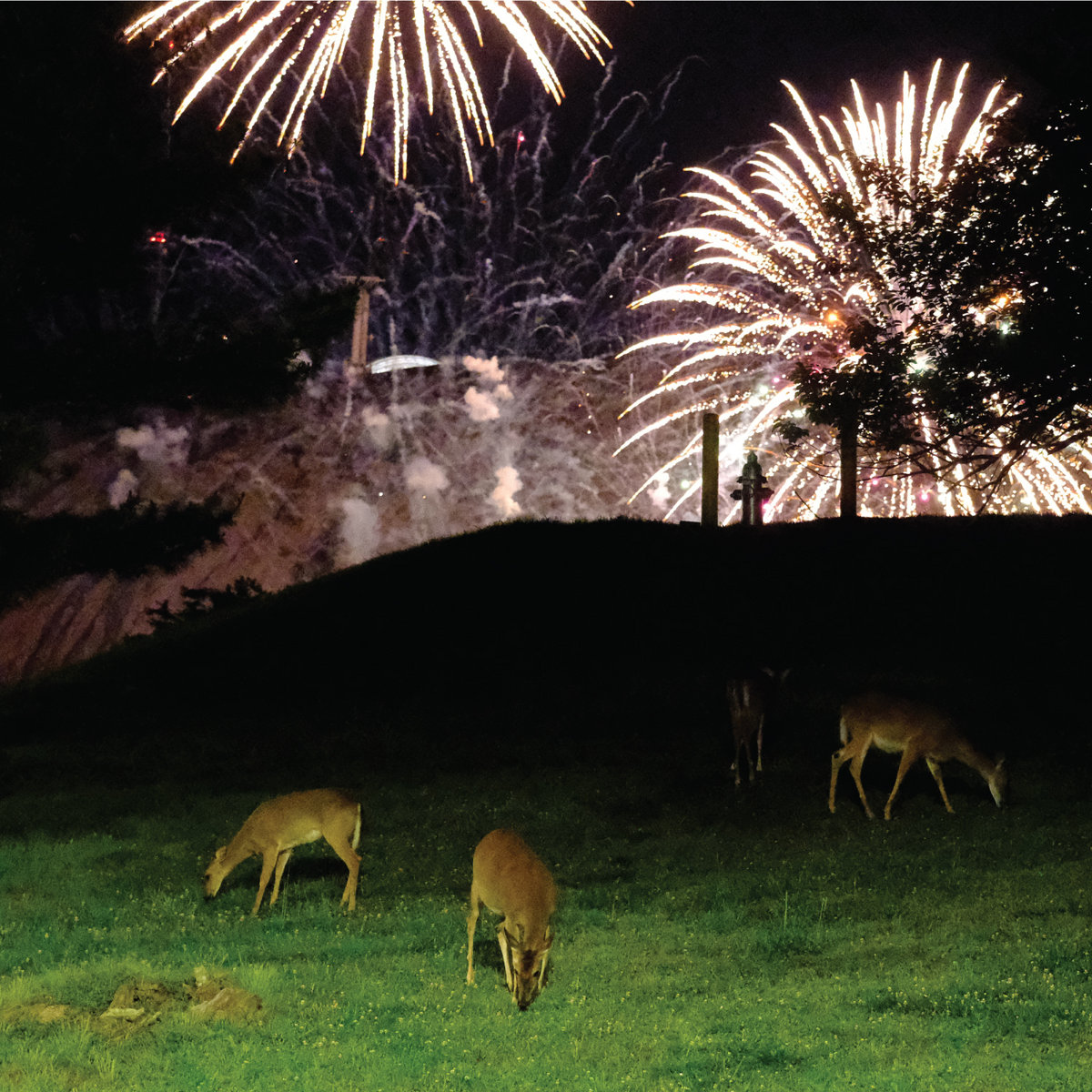
16(↓8). Home Is Where – Hunting Season
What I wrote: Each of the 13 songs on Home Is Where’s third album ostensibly captures the dying thoughts of an Elvis impersonator who suffered fatal injuries in a grisly car wreck. To make it more bizarre and macabre, none of these songs is from the point of view of the same ill-fated impersonator, but they all stem from the same King-sized car wreck. Yes, Hunting Season‘s central conceit is an ultra-improbable hunk a hunk of burning humanity that claims the lives of a baker’s dozen of ersatz Elvi. It’s grotesque, absurd, shows poor taste in at least two ways, and it earns the emo erstwhile Floridians who committed to the bit a standing ovation from me.
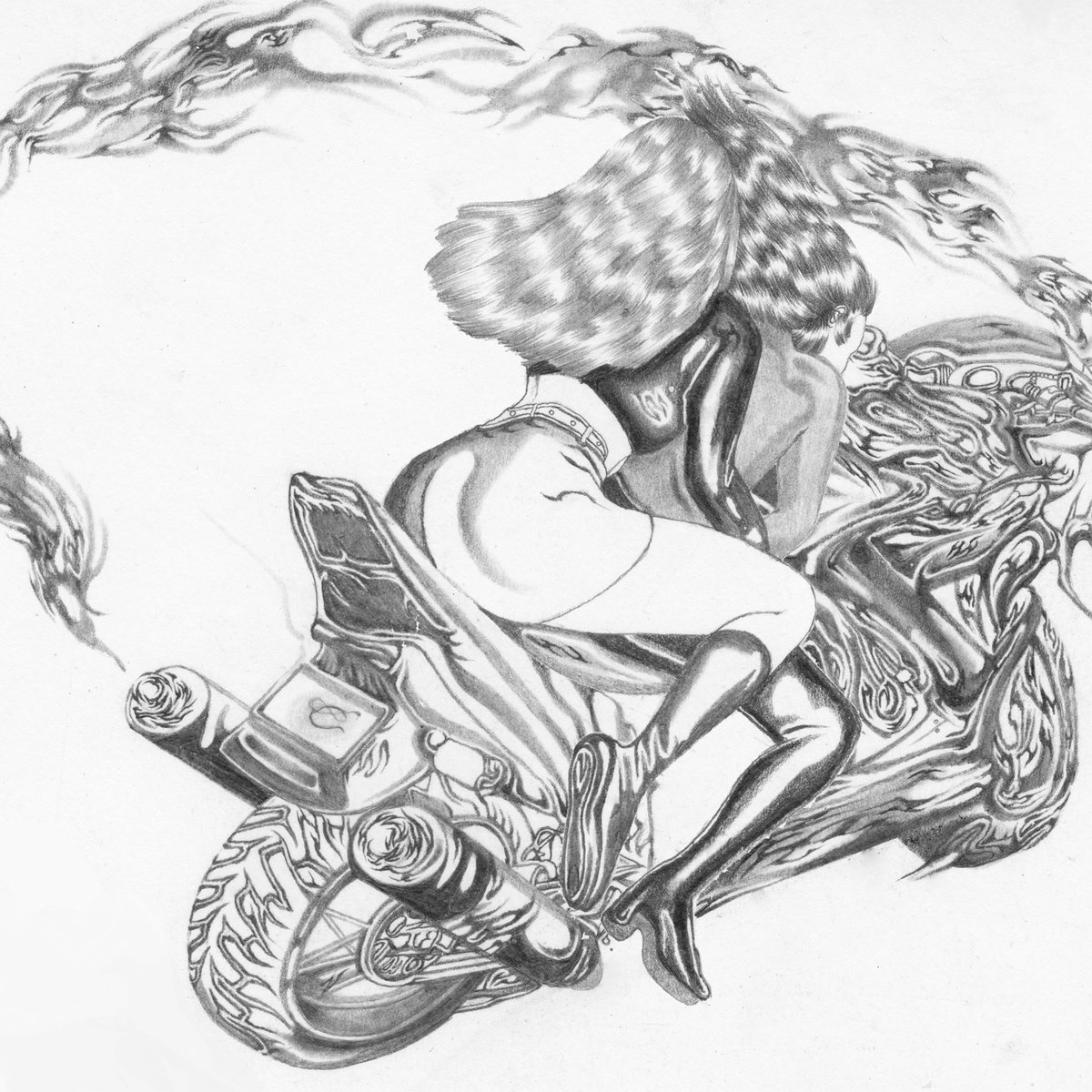
15. (↓8) Courting – Lust for Life, Or: How To Thread The Needle
And Come Out The Other Side To Tell The Story
What I wrote: Courting seems to have assembled an album from the best bits of every song you remember from the early-to-mid-’00s, irrespective of genre. Elements of dance-punk, Auto-Tuned crooning, smooth, early-Maroon-5-style adult contemporary, moody instrumentals, and even electronica are present on the album. These disparate sounds aren’t blended so much as stitched together Frankenstein-style. Despite the sometimes audible seams connecting the upcycled pieces, they still work well together.
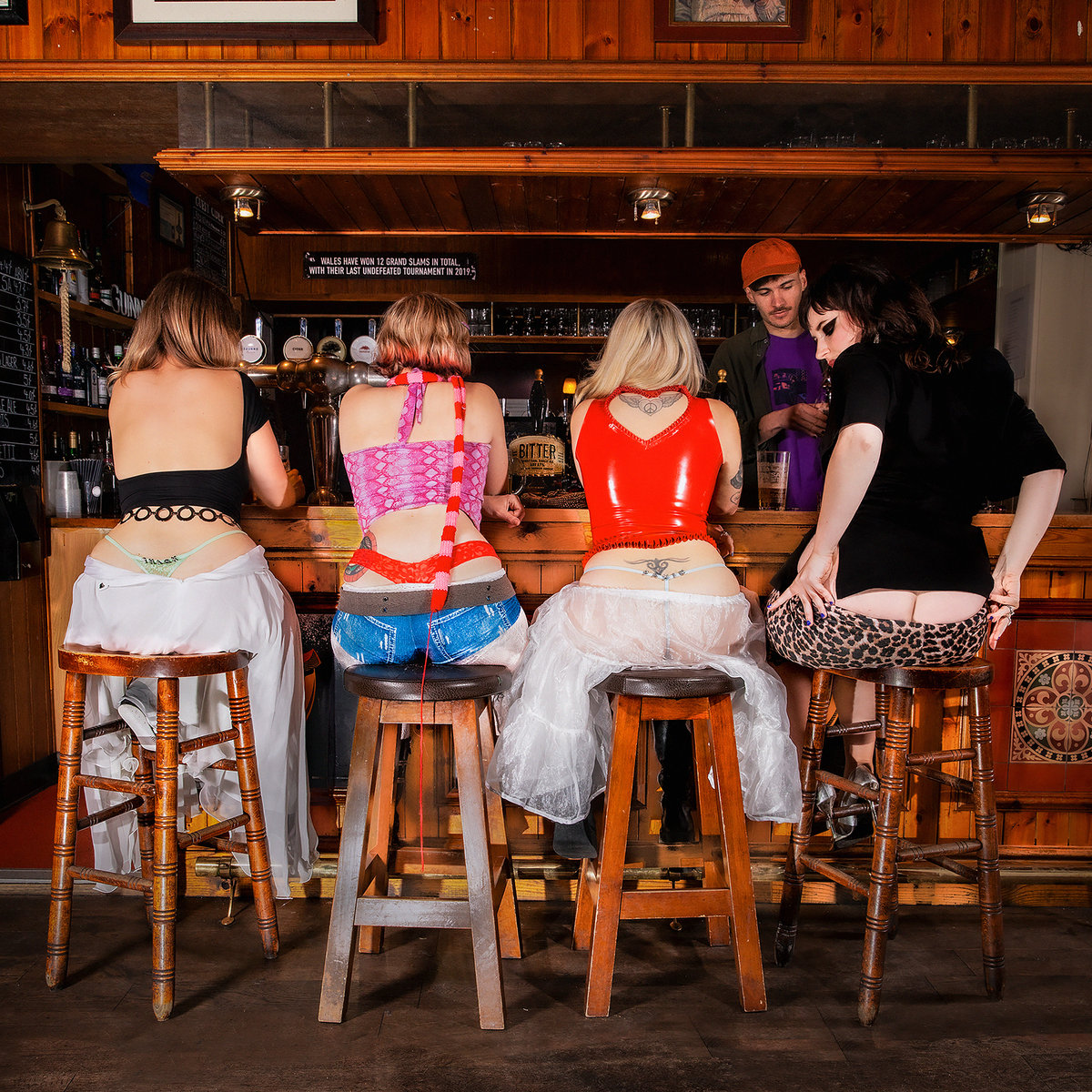
14. Panic Shack – Panic Shack
What I wrote: At any given time, there’s a good chance Panic Shack is throwing a lot at listeners. Songs’ tempos are always somewhere between ripping and a brisk, psychedelic jog thanks to frantic drumming and pulsing basslines with more bounce than a trampoline. The tones tend to be fiery due to the bright guitar licks delivered with gusto or aggression, depending on the song’s goals. Plus, there’s often an extra accent instrument somewhere in the mix — a mariachi trumpet, some squelching synths or pounding keys played in tandem with a guitar riff.
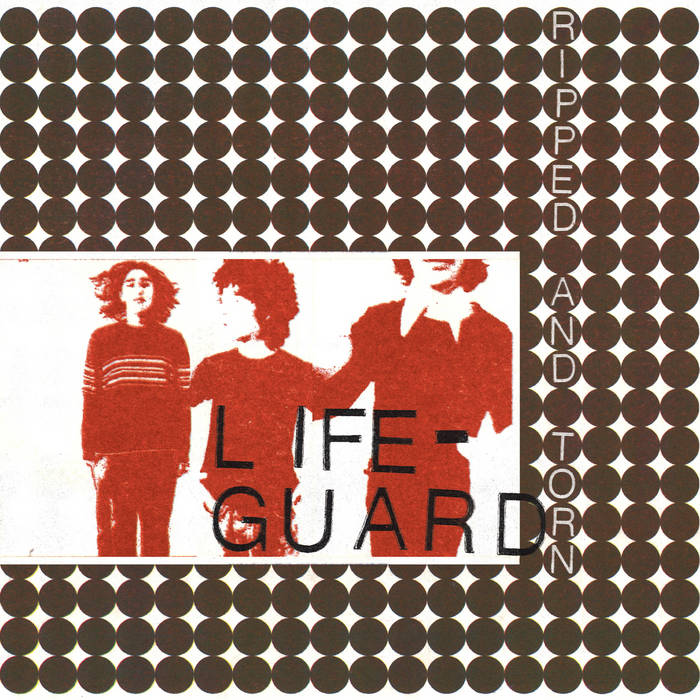
13. (↓7) Lifeguard- Ripped and Torn
What I wrote: The Chicago trio’s first LP is a 12-song blitz of lo-fi guitar music that doles out warm-toned buzz and hooks in a ratio that slightly favors the feedback. Their sonic palette draws from the same crumpled box of slightly melted crayons that Cloud Nothings, Smith Westerns and No Age all used to messily color in their noise-filled early works. It is extremely charming to hear Lifeguard crack open that carton, grab some squishy wax with a peeled label and set to work on their own scruffy art.
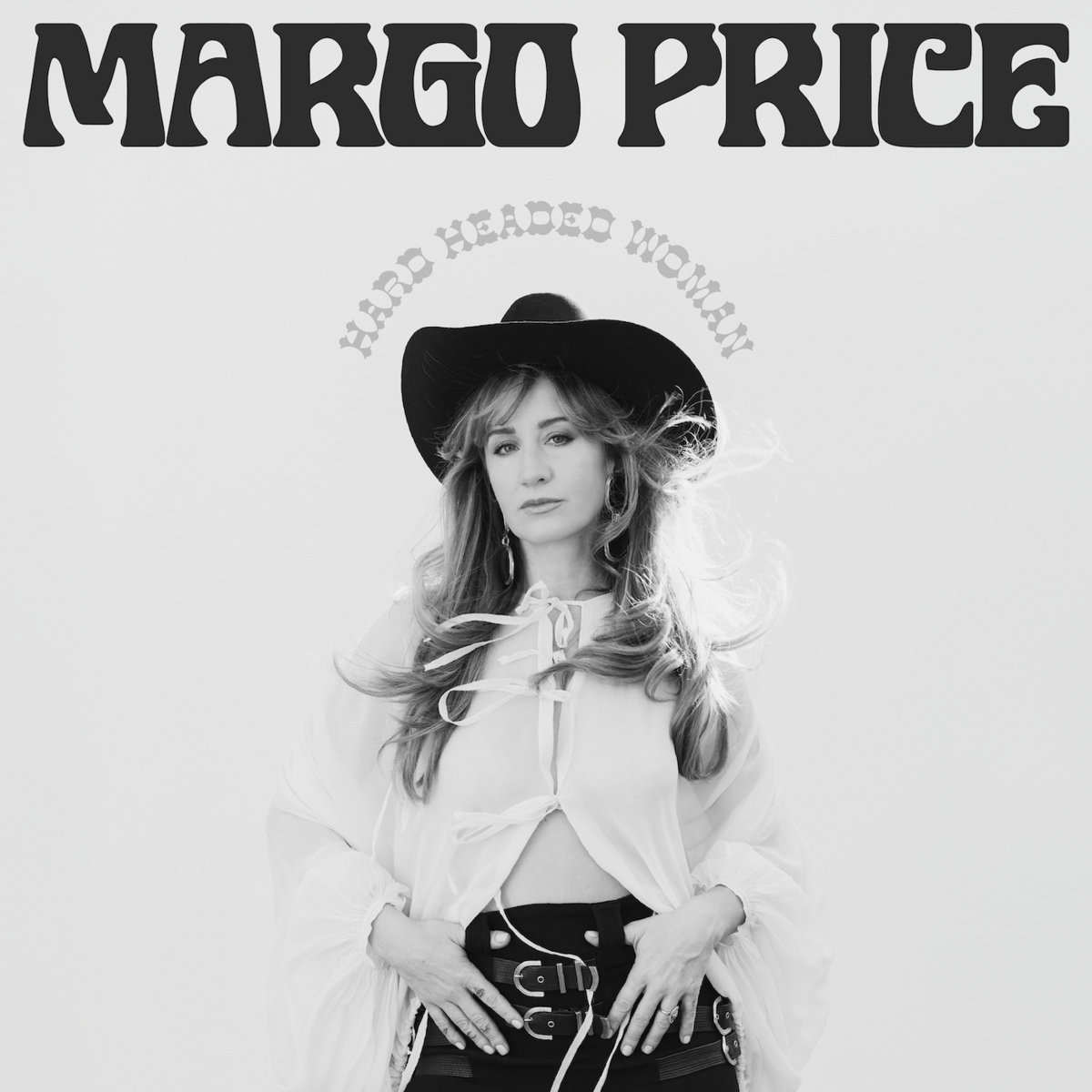
12. Margo Price – Hard Headed Woman
What I wrote: Hard Headed Woman is an album defined in large part by righteous fury that would make Wanda Jackson proud, but it also sounds like a riotous victory lap. It’s a broadside against the dweebs, stuffed shirts and soul-draining chaos that put a cap on the potential suggested by awesome scenes and impressive eclecticism that are on display daily in the U.S. It is also a celebration of self and a joyous exhibition of songwriting prowess with a commitment to the sounds of classic country music. That last characteristic means the album gets a little sweaty, but more often than not the music is good enough that even the most lactose-averse will be able to gladly stomach its cheese.
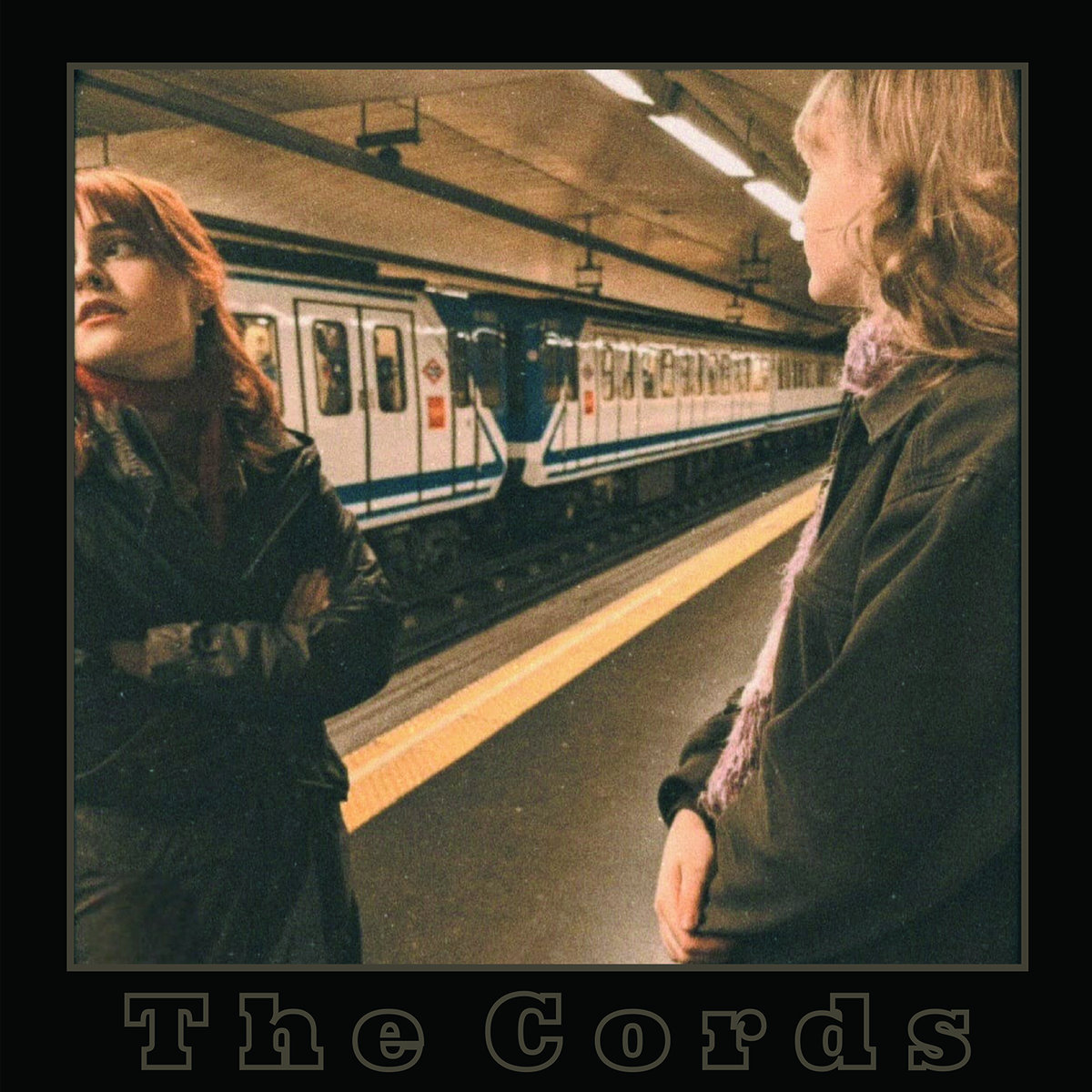
11. The Cords – The Cords
What I wrote: The Scottish duo, composed of sisters Eva and Grace Tedeschi, makes a sort of ultra-jangly, slightly dreamy indie pop that’s as cozy, comforting and familiar as a well-worn wool garment. Their self-titled debut, immaculately timed to coincide with crisper air and falling leaves, is 13 short and punchy takes on catchy bookstore rock that’s just begging to soundtrack whatever it is you do to savor the few, fleeting golden days remaining before a harsher, grayer reality settles in.
10. Snocaps – Scocaps
What I wrote: For the first time in a long time, Katie and Allison Crutchfield made music together — and some of that music can accurately be described as rock. It’s an interesting, albeit mild, development that’s sure to be warmly received by anyone who was pining for a less pastoral Crutchfield project. It’s also likely to be well-liked by people who like the last couple of Waxahatchee albums, people who just really liked “Right Back to It,” people who have no idea who the Crutchfields are and any members of an unspecified fifth group of people who accidentally encounter Snocaps. It’s just that kind of instantly comfortable album, and it provides an unchallenging throughline for the Crutchfield Extended Universe.
9. Snõõper – Worldwide
What I wrote: If Snõõper’s gleefully madcap music comes as a surprise, that’s really on you. Everything about the Nashville art-punks — their tilde-sporting band name; their cutely chaotic appearance; the lo-fi bombast of snooperonline.com; and especially the papier-mâché-headed mascots that orbit their shows, inspire merch and appear in promotional video games — communicates the oddball energy that powers Snõõper’s goofy yet propulsive sound.
8. Bug Teeth – Microphagia
What I wrote: I’ve now spent hours orbiting the slightly alien world of Bug Teeth’s Microphagia. While it’s a grief-stricken planet, it’s also a pleasant, often weightless place that nevertheless has enough gravity to keep listeners from totally floating away over the course of its 10 songs.
7. (↓2)Yeule – Evangelic Girl is a Gun
What I wrote: Evangelic Girl is a Gun blends hypnagogic singing, poetic, sometimes profane, lyrics, and music that heavily incorporates elements of ’90s alternative music and both hip-hop and trip-hop. It’s a sound that echoes the past without being beholden to it, and that stays true to the distortion-heavy, consistently off-kilter sound that’s all yeule’s. It’s music that is sometimes exuberantly bright and other times placidly staid, but the first impression is never the full story. Weird electronic squelches, abrasive feedback, hissing static, corrosive guitar and chopped-up percussion sounds have a habit of popping up in unexpected places. If the Cardigans ever made a song that featured a brief bridge sung by Poo-Chi, the toy robot dog from the early ’00s, it would sound a lot like “Eko.” Album-opener “Tequila Coma” sounds like it could have been on Fiona Apple’s Tidal, if it wasn’t for a stuttering back beat and the presence of serrated guitar squeal in the place where an unfortunate snake charming outro would have appeared 30 years ago.
6. (↓2) The Bug Club – Very Human Features
What I wrote: The Bug Club occupies a wordy, twee, somewhat abrasive and overtly British sonic niche that could make their fourth LP, Very Human Features, a torturous listen for certain people. However, for the folks who relish a blend of verbose wordplay and nihilistic detachment in lyrics and are always down for melody rendered through adorkable cacophony, Very Human Features is one of the year’s most singularly fun listens.
5.(↓2) Cheekface – Middle Spoon
What I wrote: If the music isn’t solid, the jokes don’t land, and things fall on the wrong side of the novelty song divide. Whether the people who should be listening have heard, Cheekface has proven they can bring the laughs and the tunes to keep company with cult heroes.
4. Agriculture – The Spiritual Sound
What I wrote: When Agriculture operates at peak intensity, the force is absolutely elemental. But what makes The Spiritual Sound great, and keeps the album on my mind, is that Agriculture’s music isn’t always a frothing stampede thundering toward the edge of oblivion, and it’s just as good when they soften things up a bit.
3. (↓1) Valerie June – Owls, Omens, and Oracles
What I wrote: You can’t make a no-skips, head-spinning, genre-hopping contender for album of the year if you don’t have a solid first song. Valerie June has delivered just such an album with Owls, Omens, and Oracles, and it comes complete with an incandescent beam that radiates pure bliss in omnidirectional honey-colored waves for its side one, track one…As alluded to some 470 words ago, “Joy Joy” is not the only song on Owls, Omens, and Oracles. There are 14 other tracks on the album, and all of them are at least worth hearing with most being either good or great. Like the album’s lead single, they employ sounds from the past, blend styles and genres, and get a major shot in the arm from June’s voice.
2. (↓1) Weatherday – Hornet Disaster
What I wrote: The album as a whole radiates the sort of assaultive, welt-inducing energy that could conceivably come from a hornet disaster. The second full-length album by Swedish artist Sputnik using the Weatherday alias is a 16-song swarm of buzzing, stinging, often-angry emo-adjacent noise pop. It’s not a smooth listen, but for listeners who can connect with paint-peeling noise and sad boy whinging that occasionally bubbles over into omnidirectional wounded outbursts, there’s no finer substitute in 2025.
While Hornet Disaster is always interesting and more often than not enjoyable, it does have a couple of weak points. The LP was winnowed down from a pool of 70 songs, and the cutting could’ve continued. There are no outright clunkers on the album, but some of its 19 tracks are more equal than others. It’s easy to envision a tighter, more digestible version of the LP with no skippable tracks after some extremely light pruning.
The album’s other considerable drawback is Sputnik’s singing. Their voice isn’t bad, but it has a lamenting-but-flat quality reminiscent of Rivers Cuomo. That’s a voice that’s sold an improbably number of albums, but put to its best use on shorter LPs. Sometimes that relative blankness serves the material, sometimes it doesn’t. However, to the album’s immense benefit, Sputnik, unlike Cuomo, seems comfortable letting their mask of stoic sanity slip in the form of a wounded wail or unhinged scream. The bigger the swing, the better it plays with the more-is-more production choices. The way the raw-throated Tasmanian devil shrieks at the end of “Hug” melts into frothing guitar din is wonderful. It’s rare that an album’s strengths and weaknesses can find common ground and complement each other, but Hornet Disaster is that kind of LP, and it turns any quibbles into minor blips drowned out by a wall of vespine vibes.
1. Sprints – All That Is Over
What I wrote: In the lead-up to Sprints’ second album, All That Is Over, there was nearly as much reason for worry as there was for excitement.
On the positive side of the ledger, Sprints are an exhilarating young rock band featuring the supernova of charisma, Karla Chubb, on lead vocals. Chubb pens lyrics that vacillate between darkly poetic and wryly humorous, and they’re backed by music with enough force to completely demolish resistance to their literary-minded emotionality. Plus, the Dublin quartet had already proven they could make a great LP with their appropriately lauded debut album, Letter to Self.
Causes for concern included the departure of original guitarist Colm O’Reilly amid the band’s 2024 tour, and the relatively short gestation of the new album. Sprints formed in 2019 and released their first album in January 2024. Having a full long-player of material ready to go 19 months later seemed like a tall order. That’s without accounting for an acclimation period for Zac Stephenson, a tour fill-in who became Sprints’ full-time guitarist. All the warning signs of an undercooked second album and finishing returns were present.
It turns out it was dead wrong to worry. All That Is Over is among 2025’s best albums by any measure, and it’s my personal favorite album of the year.
It’s smart, sharp and a little mean. Sprints wrung variety out of their chosen proto-goth, post-punk milieu, but they also managed to create a propulsive and cohesive listening experience. There’s a unifying tinge of darkness to every song, but All That Is Over is bursting with too much energy and too many ideas to fall into despondency.
Best of the rest
One column a week isn’t nearly enough to extol the virtues of every album I adored in the past 12 months.
Back in July, I recommended albums from Teen Mortgage, Winona Fighter, Craig Finn, Dead Pioneers, Billy Woods, Perfume Genius, Cymande, Hotline TNT, the Tubs, Lambrini Girls, Youth Lagoon and Horse Girl. Those albums are all still great and worth a listen, but it’s time to give other albums their capsule review-sized moment in the spotlight, so they will not make this list.
In no particular order, here are 107 other albums released in the past calendar year that I loved.
Gelli Haha – Switcheroo: There was a lot of great art-pop released in 2025, but this album was my favorite spin on the genre. It never tries the same trick twice, but finds cohesion by somehow consistently sounding like how lime-flavored Jell-O looks. That can mean an old-school Daft Punk tack complete with chunky synths and monotonous mantra-like repetition, or it can be a synesthetic sensation accomplished by setting a tale of semi-public urination to bouncy music. It’s an amorphous, weird and constantly moving LP, but there’s always room for some of its unnatural sweetness.
Squid – Cowards: I’m unsure how Geese and Black Country, New Road have totally supplanted this band in terminally online indie music discourse. To my ears, Squid is their equal and deserves just as much praise and attention as purveyors of odd guitar rock that’s challenging without being too difficult.
Cupcakke – The Bakery: This meeting of uninhibited raunch rap and hyperpop is a berserk expression of nearly every possible appetite. It’s a combination of filthy and catchy that will have you humming along because the melodies are that catchy, and because there’s never really a safe time to sing along to something this preposterously nasty.
CMAT – Euro-Country: As much as I love Sprints, I think this is the album that will ultimately be recognized as the best LP from an Irish artist released in 2025. I won’t even be mad about it. It’s warm, funny and poignant in just about equal measure and has a strong claim to being the best country album released this year.
Ryan Davis & the Roadhouse Band – New Threats from the Soul: This would be my other contender for country album of the year. It’s an odd album with songs that sprawl with the plain, gold-tinged beauty of a Midwest horizon just before sunset.
Saba and No ID – From the Private Collection of Saba and No ID: If you’re keen on soul-sampling socially conscious hip-hop, 2025 produced no better example of the form. Both the legendary producer No ID and the super-talented producer-singer-rapper Saba are in characteristically excellent form.
Backxwash – Only Dust Remains: Backxwash, Montreal-based Zambian-Canadian rapper and producer, returned with another emotionally and musically expansive album. Only Dust Remains rests at an unlikely nexus, blending hip-hop, post-rock and a smidge of prog to grapple with internal and external dilemmas that feel as impossibly large as the music.
Wolf Alice – The Clearing / The Last Dinner Party – From the Pyre: These albums are inseparable in my mind, and I cannot endorse one without recommending the other. Both are big, brash, femme-fronted rock albums awash in theatrical energy. For Wolf Alice, this was a bit of a departure from the alt-rock identity built across their previous three lauded albums. Meanwhile, a heaping helping of flamboyance has always been part of the Last Dinner Party’s sound. While I tend to like my rock music hook-laden, simple and scuffed up, I had a lot of fun under the bright lights of these two albums.
Sports Team – Boys These Days: With apologies to Suede and Pulp, who both released good albums this year, this LP is the clearest encapsulation of ’90s Britpop’s appeal. It’s pithy, well-constructed, includes light genre experimentation and is loaded with observational snark. Its title track, “Sensible,” “Planned Obsolescence,” and “Maybe When We’re 30,” make a convincing case that modern life is still rubbish, and it’s still fun to hear clever songs about that premise.
Shame – Cutthroat: The South London post-punkers have never made a bad album, and they’ve never made the same LP twice. Grimy hard-rock is this album’s home base, but shame also incorporates country and Brazilian folk music influences into the mix. The big swings are some of the album’s finest moments.
- Neither album was in my personal heavy rotation, but I appreciate the conceptual daring and craft of each LP. The world is improved by their existence. ↩︎
- After writing about how albums grow or diminish in stature between initial reviews and year-end list-making, I decided to note the change in ranking for every album that was part of this exercise at mid-year. I took inspiration from the Associated Press’ College Football Top 25 for formatting. A down arrow and a number indicate how many spots an album fell down the list. An up arrow and a number mean the opposite. Drastic changes will be explained down here, but most fluctuation is simply because six months of music had to be ranked somewhere. ↩︎
- Falling 25 spots simply means this LP kept its grip on last place. ↩︎
- In hindsight, I regret rating a pair of EPs relatively highly on a list of LPs. This was especially boneheaded because one of the EPs was a compilation. I greatly enjoyed the Pains of Being Pure at Heart and Say Sue Me EPs, and I’m sure I’ll review an EP or mixtape in this space again, but I think they’ll be ranked on their own if I keep this format. ↩︎
- I liked almost everything I wrote about after July more than this album. A couple of quirky, smaller releases crept up the rankings, too. ↩︎
- A strong second half of 2025 pushed a lot of releases down these rankings, but Bugs Forever fared better than many other albums and made up a little ground. It’s a slight, odd concept album that had more staying power than expected, and I wound up more fond of it than some of the more polished LPs I wrote about. ↩︎
- Technically 11, but one entry is a joint listing. ↩︎
What did we watch?
The Kids In The Hall, Season Four, Episode Eighteen
“Maybe I should leave you two alone.”
“Wolfgang Amadeus Mozart.”
“Yes.”
“You know, you very much remind me of him.”
“That’s not the other room, that’s the front door! Oh well, she’ll figure it out.”
“Dubbing sucks!”
“But so do we!”
“You’re not a policeman now, are you?”
“No! I’m under arrest!”
“It’s not every day an audience sneaks up on me.”
“He was one of those f*gs who would make respectable gays uncomfortable.”
“He cared about the people who fellated him.”
“Get this: f*gs are becoming respectable. Well, some of them are.”
“Steven, you’re drunk and you’re stupid. Get off this phone.”
“Stephen, get off this phone, it’s for sober and smart people!”
“Are you drunk because you’re stupid or are you stupid because you’re drunk?”
“Of course! More ice for the man I love!”
“Elvis! I need help!”
These Three – Lillian Hellman wrote the play “The Children’s Hour,” about two teachers accused of being lesbian lovers by a very difficult student, in 1934. There was no way a movie addressing such a subject could be made in the 30s, but Hellman worked with producer Samuel Goldwyn and director William Wyler and altered the story so the accusation was that one of the teachers had an affair with the fiance of the other, but left the bulk of the script alone. Strangely, this formed the basis for a very good movie, indeed a better movie than the 60s adaptation that restores the lesbian elements and was also directed by Wyler. Or maybe not so strange since the 60s version is still dancing around the idea of queerness and doesn’t really have a strong emotional core the way this does. And since the child actors there are terrible and the kids here are very much in tune with the material. (14 year old Bonita Granville was nominated for an Oscar.) Leads Merle Oberon, Miriam Hopkins, and Joel McRae are not quite at the level and Audrey Hepburn, Shirley McLaine, and Jim Garner but they all fill the bill well. And look for Margaret Hamilton before The Wizard of Oz and Walter Brennan before everything, younger but with the same gravel voice.
The Practice, “Payback” – There is just enough evidence that Bobby was connected to the murder of William Hinks to arrest him, but for the Boston DA office, it’s less about justice and more about revenge. Which offends not just Helen but Richard. Meanwhile, Bobby and Lindsey are both struggling, and Eugene is temporarily put in charge of the firm, leading to conflict with Rebecca when she is asked to basically help a client commit extortion and Eugene tells her to look the other way. On the one hand, we are in some pretty absurd territory with Bobby. Even if he didn’t want a murder to happen, his behavior should cost him his career. OTOH, at least the acting and storytelling are still pretty good. Notable for guest appearances by John DeLancie and James Karen, and for two firsts: the first writing credit of future Arrowverse producer Marc Guggenheim; and the first time a pregnant woman is shown with a bare belly (Kelli Williams at seven months).
Frasier, “Bla-Z-Boy” – After Martin notes it’s eight years since he moved in with Frasier, the two end up at each other’s throats, and that indirectly leads to Martin’s chair being set on fire and dropped off the balcony. Thankfully both men calm down, and Frasier’s gesture of reconciliation is to at great expense re-create the chair. (It’s now the most expensive thing in the apartment!) The happy ending seems to be unearned, but reflects the general tone of latter run Frasier, where he usually realizes he needs to apologize. And there is an exquisitely risque joke: while trying to give Daphne piano lessons (doomed to fail), Niles starts to make out with her, and then the doorbell rings. And Niles has Daphne get the door because, er, he can’t really stand up. Not the sort of joke we get much here, or the sort I laugh at, but perfectly done.
My turn for a holiday round-up, since I was at my parents’ for several days and then at my in-laws’ for most of yesterday. I’ll have to go ultra-brief here:
The Suspect
I believe this Charles Laughton noir was a vomas-recommended pick? I’ll double down on that: Laughton is terrific as a man who, reduced to bare summary, should technically be unlikable, but I’m on his side throughout. The police in London clearly have nothing to do at this point if they’re targeting a man they can only arrest for multiple murders by manipulating his fundamental decency. Beautiful, breathless work.
Champagne Problems
Netflix Christmas rom-com that’s better on the light comedy (some of the supporting characters are very fun) than the fairly typical romance. Gains extra mileage from being set in France and dealing with a very specific milieu; loses a lot of goodwill by throwing in an AI-generated presentation partway through.
A Letter to Three Wives
A potentially absurd high-concept set-up–I’ve run off with one of your husbands, try to guess which before you can actually connect with them tonight, XOXO, Gossip Girl–turns, as potentially absurd high-concept set-ups often do, into a strong, revealing character drama. I always like movies that are portraits of marriages, and this looks at ordinary human conflicts in a warm and novelistic way.
Home Alone
Great minor use of John Candy. Kind of sad Kevin doesn’t get to eat his nutritious macaroni and cheese dinner.
Bells Are Ringing
Adorable. This was my first Judy Holliday film, and she’s utterly charming here, a slightly gruff-voiced goof who’s a bit gangly and weird in a way that female comedic actors hardly ever get to be. The songs aren’t exactly earworms, but they’re delivered with great enthusiasm. Funny and sweet.
The Hound of the Baskervilles
I already wrote about it, so I’ll just reiterate my love for Cushing’s Holmes.
Gentleman Jim
A fun confection of film, with Errol Flynn as an up-and-coming boxer whose cheerful pride and more-than-healthy ego keep almost setting him up for a fall that never quite happens–instead, he just breezily cruises through life. At some point the lack of down to all his up starts to feel like a kind of comedic beat, but it’s a testament to Flynn’s on-screen likability that he keeps all this blithe arrogance charming, and it’s a testament to the script that it finds a story here nonetheless, grounding it not only in the romance but also in how Jim’s sunny presence in his own corner is a kind of fuck-you to the upper classes that want him to be a tamer, more humble presence in their circles who acknowledges that he’s tolerated but never makes himself at home. The bit with John L. Sullivan turning over the belt is genuinely moving.
Winchester ’73
Superb Anthony Mann Western. Everything here is good and rich, a dramatic feast of clashing characters with different motivations, strengths, and weaknesses–but my absolute favorite part of the puzzle is Dan Duryea’s Waco Johnny Dean, a smiling antagonist who can afford to let a threat go by lightly because he knows he can wait for his moment.
The Clock
Judy Garland and Robert Walker star in a WWII whirlwind romance. Lovely little film, restrained in its romance and more effective for all of that–there’s such a tenderness to the movie’s willingness to follow them into small, awkward moments, whether they’re wrenching (the scene in the automat after their courthouse wedding, when everything feels like an anticlimax) or beautiful but fragile (their morning after as a married couple, when neither of them want to talk about what happens next, and the air aches with everything they’re not saying). Some good jokes, too.
Errol Flynn in a sports movie doesn’t sound like much of a stretch on paper, but my imagination is just failing me on how he’d play an American boxer. Well, apparently!
Avatar: Fire and Ash – I think these movies would be stronger if Cameron just admitted he admires the industrial world as much as he does the natural one. As it is, I enjoyed this just fine but the crunchy utopia versus the boats ‘n guns crew was pretty thin for one plus-sized movie, and now a third movie is outright repetitious relative to the scale of creation on display.
I have a qualifier on that judgement because this each entry is still a novelty (Navi-lty?) against a crowded market for noisy animation. I occasionally think of Nick Pinkerton’s argument to eyerolls at Terrance Malick’s output – who else is doing this? Could I imagine a better Avatar, one with more complex characters and a thoughtful plot? Sure, but I don’t hate a once-every 3-15 year visit of blue bombast.
The Conversation
Technically a rewatch, but the other time I saw it was a. on a phone screen and b. I was a teenager, so that doesn’t count. So obviously I got more out of it this time. I love how much the camera takes the spy POV, viewing people from behind fences or windows or curtains or that great home-movie footage that plays when Harry’s listening to the tape. Allen Garfield is great as Gene Hackman’s Wario, just a world-class sleazeball showman. Hackman never talks; this guy never shuts up. His booth at the convention might as well be a Vegas magic show. As for Harry himself, I’m tempted to claim him as autism representation. Just watch how uncomfortable he is and how little he says until someone winds him up talking shop, and his meltdown in the hotel room is perfectly observed. The first two acts are great, but the third is an absolute masterclass in thriller filmmaking, just nonstop, heart-stopping tension.
Think I’d agree – I painfully related to Harry asking whether you could love someone without really knowing him.
It’s such a relentlessly tense film. The toilet scene is scarier than most horror movies.
What did we listen to?
My damn radio is still trying to give me new music from 2025! It’s over! But having said that, the favorites so far are Avalon Emerson & The Charm’s “Eden,” The Belair Lip Bombs’ “Again,” and I might even hold on to The Beths’ “Straight Line Was a Lie” as a 2026 single, even though the actual album came out all the way back in August.
Music-wise: Didn’t sleep last night so “One Night In Bangkok” was on repeat. Is this song Orientalist? Yes. Is it a banger? Also yes. Other selections included the Death Becomes Her recording and a radio block from WXPN of songs from artists who died this year, so there was a great live version of Jill Sobule’s “I Kissed A Girl” (the ACTUAL version, to quote the Fassbender meme), Sam & Dave, and “Good Vibrations.” Sniff. MJ Lenderman’s last album is still really good to speak of living musicians.
Non-music: A BBC radio recording of Harold Pinter’s Betrayal with Andrew Scott and Olivia Colman, tense, riveting drama, not surprisingly, though the edit on YouTube was a touch choppy. Obviously an influence on the Seinfeld episode, famously, plus Merrily We Roll Along and The Last Five Years, playing with time dilation to devastating effect. These latter two use this to flesh out how relationships change and splinter over the years, but Betrayal’s device emphasizes the title theme, with multiple characters lying to each other about what is known and not known and the chronology going linear twice to showcase these more complicated stabs in the back.
A Musical Theatre podcast is pretty good and even scored an interview with the original Pippin, whose story about Bob Fosse and Stephen Schwartz feuding is worth listening to. The host is performatively liberal to a fault, though – I think he means it when he tells people not to give into suicidal ideation, and I still wanted to crawl into my couch out of cringe. What’s the point at which your goodness is irritating even if it’s sincere? (That and when he quoted Michelle Obama on another episode, shut the fuck up, theater kid.)
I bought a cheap CD/DVD player to connect to my laptop and plan to start going through my CDs and ripping them against the day I stop using a streaming service. First thing I played was a filk album we bought last summer.
Tom Petty, The Live Anthology – A compilation of live performances from across Petty’s career. It’s a pretty good album with some stellar performances, and seems to show that Petty and his band always gave a good show.
I listened to CDs for the first time in too long on the car trip up to the holidays. Something satisfying about having it loop around and play again after over an hour.
Media Magpies 2025 Top 60 Countdown
Listened to this again on the plane. A+ round-up of some of the best singles of the year. I could name some favorites now, but I feel like I should wait until I’ve familiarized myself with some of the more recent additions. Stay tuned, as this will be in frequent rotation.
Legends of the Ashes, “The Greatest Series Ever Played”
The first episode of this podcast covers the 2005 Ashes Test series, and Stephen Fry–punctuated by interview clips–does an excellent job conveying the psychological drama and tension of its ups and downs. I am (possibly) slowly getting more of an idea of how cricket works. I am also (more certainly) developing a crush on Shane Warne.
Screen Drafts, “Miriam Hopkins”
I need to see The Story of Temple Drake immediately.
Apparently it’s Miriam Hopkins Day here.
Love this wrap-up. I’m delighted to see that while my beloved oddball underdog favorite Bugs Forever technically fell a little in the rankings from the mid-year summation, it fell much less than some and is now comfortably towards the middle of the overall list and even merited its own footnote! I’ll go listen to “Bad Omens” again to celebrate.
And very pleased with the high placements of The Loft, Valerie June, Cheekface, Panic Shack, The Bug Club, Margo Price, and Weatherday (I’m annoyed enough that I forgot to mention Weatherday that I’m editing this comment a whole two weeks after the fact) albums, some more favorites of the year I picked up from this column. (Hoping to listen to everything here eventually, but I’m prioritizing Sprints and Agriculture.)
To cover two bands you mentioned and the difficulty of making my own list… when I wrote about how, even though while I never thought in order “This song is clearly worse than the one that came before,” I sometimes struggled in the broader picture to say “This song in the 20s is clearly better than this song in the 40s/50s,” I was most directly thinking about the gap between “Cowbella” and “Quiet Life.” Ranking stuff is hard! Vibes and gut play a big factor.
I had a really easy time with my Top 10 for this list, but somewhere around 20 things start to get fuzzy.
Vibes became mission critical– especially when consulting my own notes and a five-star rating system for context. I do think most releases live between 2.5 and 3.5 stars, but it is not helpful for suggesting a hierarchy!
Maybe I’ll start scribbling an x/100 grade somewhere.
I think if I was doing an at-large thing or the Herculean lift that is the singles rundown, I’d have a much harder time. There was a lot of great music released this year, but a lot of the best stuff embraced a chill, ethereal atmosphere that can make for a good album-length hang without a single gripping single.
Year of the Month update!
Here’s the movies, albums, books, TV, and games from 1985 for you to write about next January.
TBD: Ruck Cohlchez: Tim and/or Fables of the Reconstruction
Jan. 2nd: Gillian Nelson: Return to Oz
Jan. 5th: Tristan J. Nankervis: Rambo: First Blood Part II
Jan. 9th: Gillian Nelson: Advice on Lice
Jan. 16th: Gillian Nelson: The Wuzzles/The Gummi Bears
Jan. 19th: Tristan J. Nankervis: The Breakfast Club
Jan. 23rd: Gillian Nelson: The Golden Girls
And coming February 2026, we’ll be looking at 1957, including all these movies, albums, books, TV, yadda yadda.
Feb. 6th: Gillianren: The Story of Anyburg, USA
Feb. 13th: Gillianren: The Truth About Mother Goose
Feb. 20th: Gillianren: Our Friend the Atom
Feb. 27th: Gillianren: Sleeping Beauty’s Castles