A lot of Generation X kids grew up watching M*A*S*H in syndication. My own first crush was Hawkeye Pierce. Meanwhile, one of my earliest memories was from perhaps preschool, when a friend of mine had a Star Wars-themed birthday party. At the time, only two movies had come out. I remember basically nothing else about that kid except for his birthday party; I don’t even know if he was my classmate or my older sister’s classmate. I don’t remember when The Return of the Jedi came out, but I know my mom watched both it and “Goodbye, Farewell, and Amen” without us.
I held a grudge against my mom for a lot of years about Jedi. “Goodbye, Farewell, and Amen,” well, that was a school night. It was a Monday. It’s three hours long. That’s fine. But Return of the Jedi? Come on. You can’t tell me my older sister and I wouldn’t have gone wild to see that in the theatre. But Mom went without us. Even after becoming a parent myself, I resented it somewhat, even knowing how nice the time without kids can be—and Mom had just become a single parent.
A while back, I was thinking about the plot, though. Now, goodness knows I’ll mock the current state of media and its obsession with Daddy Issues as much as anyone, if for no other reason than because I think it’s a lazy go-to instead of putting in some real thought at making each character an individual. Everyone’s got Daddy Issues, and if they don’t, kill off an important woman. It’s a real problem. That said, one of the only conversations I’ve had with my mother about my mental health issues that wasn’t about my doctor or meds since I became an adult was about the problems I have stemming from my own father’s death.
“Goodbye, Farewell, and Amen” aired on February 28, 1983, twenty days after my dad died. The Return of the Jedi debuted almost exactly three months later, on May 25. Those are two of the biggest pop culture events of 1983. (U2’s War came out the same day “Goodbye, Farewell, and Amen” aired, but that doesn’t tie into what we’re discussing here.) Both of those stories would be jarring for small children who had just lost their father.
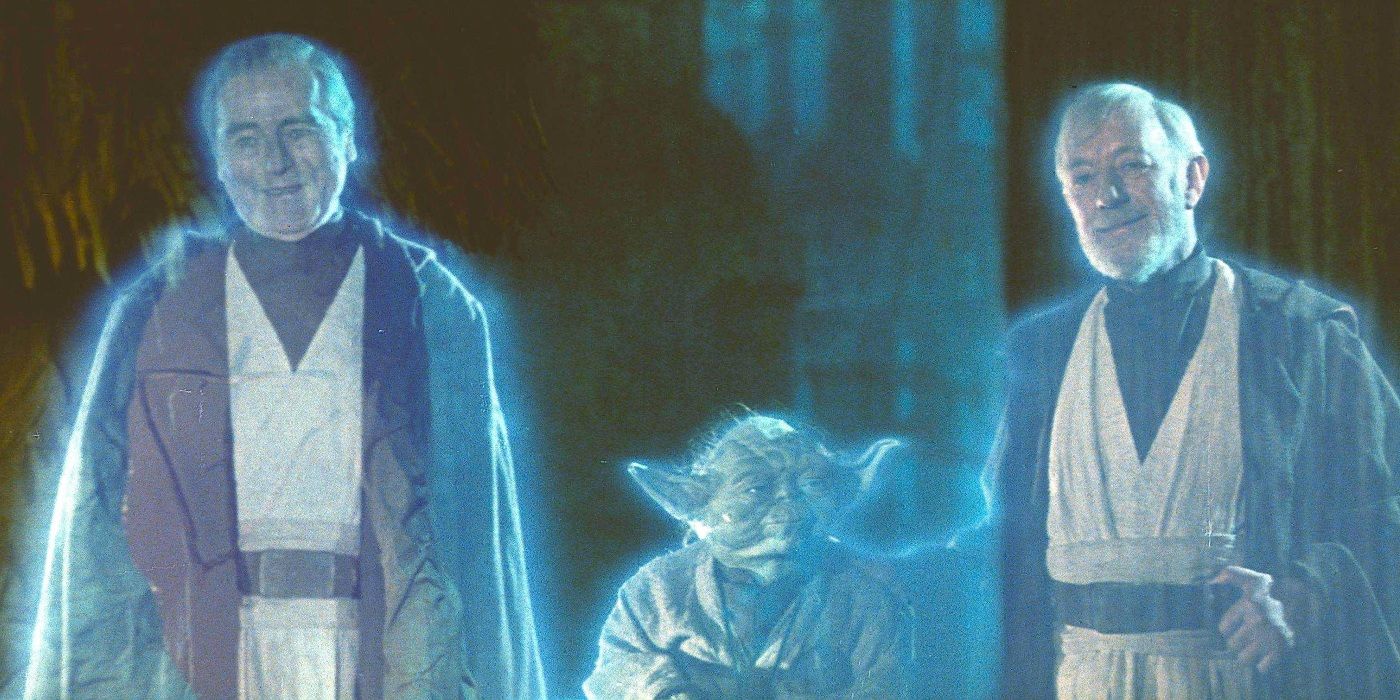
How much could Mom have known that? Well, that’s an interesting question. She’d obviously seen The Empire Strikes Back—this is not the sort of thing I’m going try to get out of my mom, who doesn’t tend to remember details like that. But I can’t imagine she didn’t at least know how it ends, and given that ending, she had to know that there was going to be a lot to do with fathers in there somewhere. I also don’t know if Mom was thinking about that; Mom’s not the most emotionally available person I know. But if she did, it would still have been in character for her to want to protect us.
As for M*A*S*H, obviously she couldn’t have known about Hawkeye’s breakdown. That’s almost certainly not the sort of thing that would’ve made it to the advertising, and I can’t fathom they’d put the reveal about what happened there. And I grant you there’s not a lot there to do with the loss of a father except in the sense that Colonel Potter is a better father to Margaret than her actual father in a lot of ways. But it is a story about loss, and Mom has to have known that it would be. She’d seen “As Time Goes By” and knew the war was coming to an end. If nothing else, they would be going home and losing their community—itself a kind of family.
It’s funny, really, because Return of the Jedi has more of a message of hope. Darth Vader is redeemed and becomes Sebastian Shaw, in those days before he became Hayden Christensen. “Goodbye, Farewell, and Amen” reminds us that, when these people go home from Korea, they are leaving behind a devastated country and a new war brewing in Vietnam. Yes, these are people going home to the ones they love, but there’s still a sadness, because they have gone through hell and come out the other side, and they’re walking away from the people who made that possible.
I’m pretty sure normal people don’t think like this. You have to have a very specific kind of pop culture-oriented brain to think, “Ah, yes, my feelings about my dad’s death clearly tie in to a show I was arguably too young to be watching when I was six anyway.” Because now, as an adult, I like to hope my dad would’ve been a bit like Colonel Potter. And it’s painful to be writing this just days after we lost Loretta Swit. But I am who I am, and I was born when I was, and let’s be real, I might as well throw in a mention of Mr. Hooper while we’re at it. Because while Will Lee may have died the day after my fifth birthday in 1982, Mr. Hooper died November 24, 1983. On Thanksgiving, so kids could talk about it with their families. Death is hard on small children.
“Vader is redeemed and becomes Sebastian Shaw, in those days before he became Hayden Christensen”
[long, exasperated sigh]
Yeah.